http://switchboard.nrdc.org/blogs/aswift/a_deeper_dive_states_environm

 How much does EPA's objection to the Keystone pipeline matter? "A lot," says Juliet Eilperin. [Washington Post]
EPA suggested the draft assessment may have underestimated the climate impact of the pipeline, which could transport as much as 830,000 barrels of diluted bitumen crude to refineries in Texas.
... In addition, Giles argued that when it comes to the potential of a spill of diluted bitumen from the pipeline, State needs to "more clearly acknowledge that in the event of a spill to water, it is possible that large portions of dilbit will sink and that submerged oil significantly changes spill response and impacts." ...
EPA's objection to the State Department's draft analysis not only provides opponents with political ammunition, it could force President Obama to directly weigh in on the permitting decision if they raise similar objections later when State conducts a national interest determination. As long as no other agency objects, State can issue a ruling on the pipeline on its own; if EPA challenges the national interest determination the State Department makes at the end of its review process, Obama himself would have to issue the final permit decision.
The House GOP accused EPA of trying to shut down Keystone with their objections. [The Hill]
New research suggests that the oil and gas boom has only had a modest impact on the U.S. economy. [Washington Post]
In a unanimous ruling the D.C. Circuit backed EPA authority to regulate mountaintop removal mining. [LA Times]
After last year's barge shipping delays due to drought, the flooding on the Mississippi is now causing delays because of closed locks. [Bloomberg]
New renewable energy will account for 70 percent of global installed power by 2030, says Bloomberg Finance. [Grist]
UN Climate Chief Christiana Figueres urged the U.S. to do more on climate change and invest in clean energy to help the economy. [Reuters]
A House subcommittee holds a hearing today to investigate electric car maker Fisker Automotive's receipt of federal loan guarantees. [The Hill]
Senator Lisa Murkowski (R-Alaska): "It doesn't make sense to argue about how much global warming is caused by man - whether it's 5% or 50%. The best approach is to have a no-regrets policy." [CNN Money]
Farmers in Pakistan are dealing with the increasing unpredictability of precipitation that comes from climate change. [Al Jazeera]
One thing you can do with contaminated farmland is to install solar panels on it. [NRDC]
Facebook will site a new data center in Iowa because of the state's abundance of wind power. [EarthTechling]
http://thinkprogress.org/climate/2013/04/24/1912201/april-24-news-epas
 By Jim Meyer via Grist
Ever wonder about the future of energy? Will it be wind? Solar? Geothermal? No wait, I got it, tar sands! (Let's try that again - tar sands!) They've got everything oil does, but they're harder to get, crappier when you get them, and leave a much bigger mark on the climate. Sounds like a winner. Let's look a little closer, shall we?
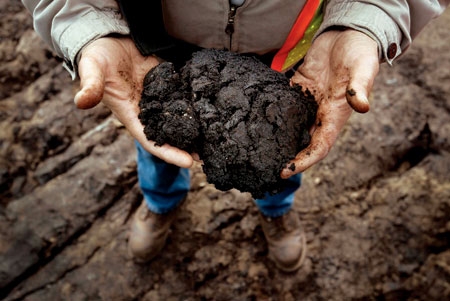
First off, what are tar sands? Tar sands are deposits of about 90 percent sand or sandstone, water, and clay mixed with only about 10 percent high-sulfur bitumen, a viscous black petroleum sludge rich in hydrocarbons, also known as "natural asphalt."
The Athabasca reserves, in Alberta, Canada, estimated to hold about 170 billion barrels, are the site of the only commercial tar-sands operation in the world. (Though, spoiler alert, that's about to change.) It's one of the largest industrial programs on the planet and could eventually cover an area larger than the state of Florida - and it's sprouting an enormous oily ganglion known as the Keystone XL pipeline, which, if completed, would pump 1.1 million barrels ofbitumen sludge a day, crisscrossing much of the continent's freshwater supply, all the way to the Gulf of Mexico.
Sound like a complicated way to create oil, gasoline, and diesel? Naw. Ain't no thing. Just follow these simple instructions:
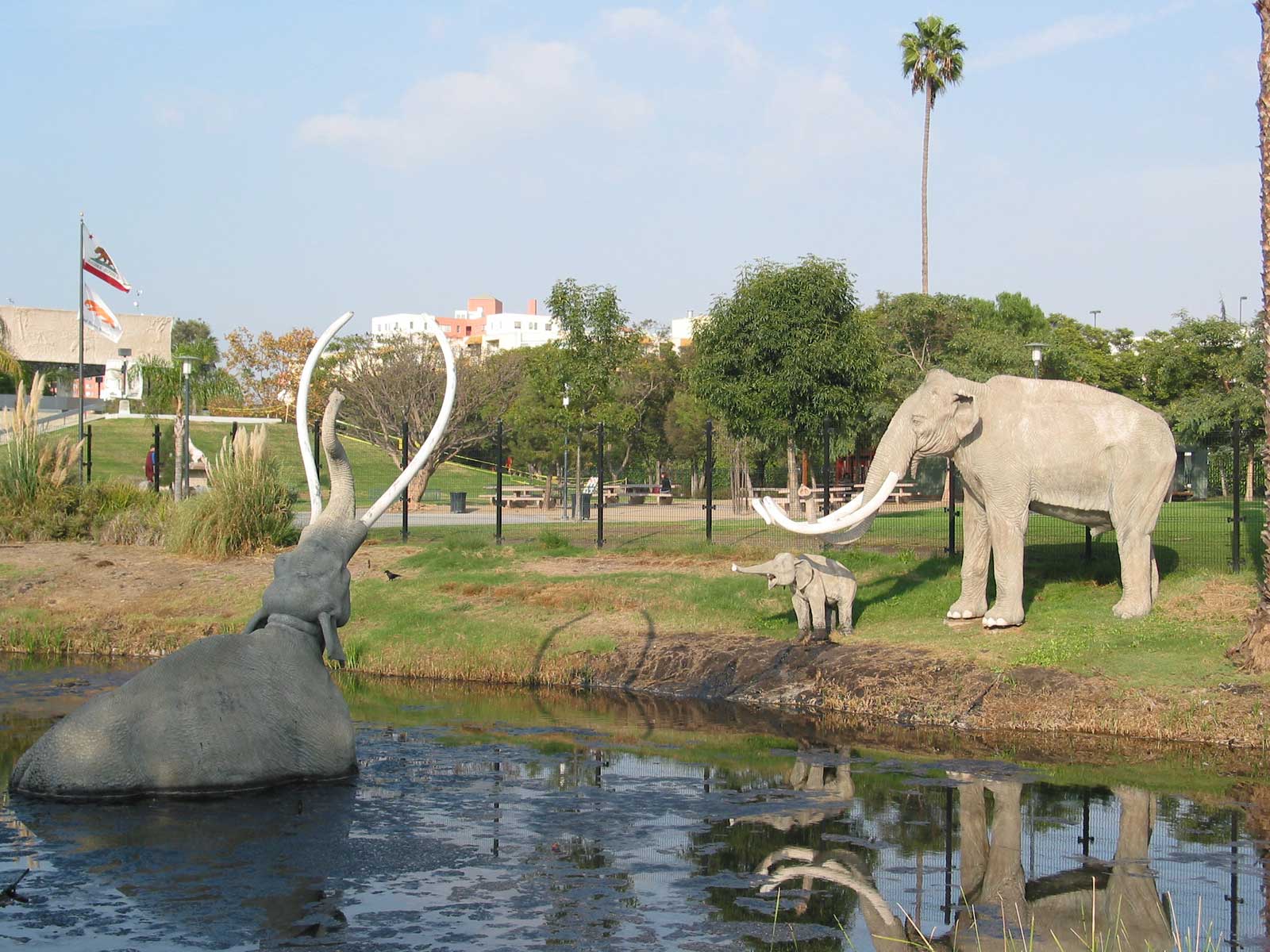
1. Change the name from tar sands to oil sands. Even though there's no actual oil in them, you're already that much closer to that sweet Texas Tea. I mean, tar is the reason we don't have mastodons. Nobody wants tar. But everybody wants oil - we put it in our cars and on our salads!
2. Clear-cut all that unsightly boreal forest. This, admittedly, can be a bit of a bear - or, more likely, lots of bears, and lynxes, and trees, and anything else that creeps, crawls, grows, or flies, and, in the name of tar sands, will also need to die.
 3. Get yourself some massive excavators, the biggest moveable objects on the planet, each capable of gouging out 10,000 square meters of earth an hour, and set about ripping pits into the planet 15 stories deep. Use the excavators to fill enormous dump trucks, 22 feet high and nearly 50 feet long, and capable of hauling 400 tons a load - which is good, because we're far from done, and it takes a lot of sand to make a little oil.
4. To extract the bitumen from the sands, you'll need to crush the sands with enormous machines creatively known as crushers. Mix the crushed sands with hot water to form a slurry, then agitate the slurry (interestingly, also a major step in most British cooking) so the bitumen sludge can be scooped out. The stuff is still too thick to transport, though, so you'll need to cut it with solvents so it can be shipped via pipeline for processing.
5. Now you're ready to get started! Of course you've got a problem. Somebody added solvents to our tar, so here comes the hydro-treating that removes the solvents, along with as much nitrogen, sulfur, and other metals as we can get out. The process uses a lot of water and energy in the form of natural gas and oil. (Hey, what are we trying to make again?) Next, heat it again to remove carbon and add hydrogen as part of the upgrading process to make this sludge useful.
6. The bitumen still needs to be refined, so it's off again into another pipeline to an oil refinery, though most of the old refineries aren't up to the task of handling the filthy bitumen, so you'll need to build new refineries or upgrade old ones. Presto! You're cooking with gas!
After all of this, it takes as much as four tons of sand and four barrels of fresh water to make a barrel of synthetic oil, which is good for about 42 gallons of gas, or one fill up in a '97 Suburban. The good news is about 10 percent of that water is recycled! (On the downside, the other 90 percent is dumped into toxic tailing ponds, which currently cover about 50 square kilometers [19 square miles] along the Athabasca River, and is leaking into the ecosystem at a rate of perhaps 11 million liters a day.)
Sounds great, huh? That's probably why the state of Utah has given final approval to open the world's second commercial tar-sands project. The Alberta operation uses more water than a city of a million people each year. Seems like a perfect fit for Utah. I'm sure the 2 million-plus people in the greater Salt Lake City area will switch to (caffeine-free) Pepsi!
Not everyone seems quite as enthused as Utah, however. The E.U. attempted to single out tar sands as "highly polluting," and Simon Hughes, the deputy leader of the British Liberal Dems, compared them to land mines, blood diamonds, and cluster bombs. This side of the pond, James Hansen, head of NASA's Goddard Space Studies Institute, warned that exploiting all of Canada's tar sands would bethe final nail in the climate coffin, and that heading down that road will lead to a global game over.
But what do those guys know? Just follow the steps and making oil out of tar sands is as easy as falling out of bed. And besides, tar sands isn't game over, it's a new beginning.
http://thinkprogress.org/climate/2013/01/24/1491051/how-to-make-gasoli